
The jump to primary school is a pretty big deal—it’s a turning point that can really shape how a child feels about learning in the long run. Sure, lots of parents pour energy into teaching letters and numbers, but there’s so much more to settling in well than just hitting academic milestones. Honestly, the best preparation is a mix: some basics like reading and counting, but also social-emotional skills, independence, and—maybe most important—a real interest in learning new things.
Kids who start primary school with decent self-control, the ability to talk about what they need, and some familiarity with routines tend to settle in faster. Primary school brings subject lessons, new group situations, and more independence—it’s a lot to take in if you haven’t had a taste of it before. If parents know which skills really matter, they can focus their efforts without getting lost in the weeds.
This guide digs into the key abilities children need before they start school and shares real-world tips families can try out at home. The idea isn’t to cram content, but to help kids feel confident and keep their natural excitement for learning alive. Knowing what actually helps with this transition lets parents steer clear of the usual traps and give their kids the best shot at real success.
Key Skills for Primary School Readiness
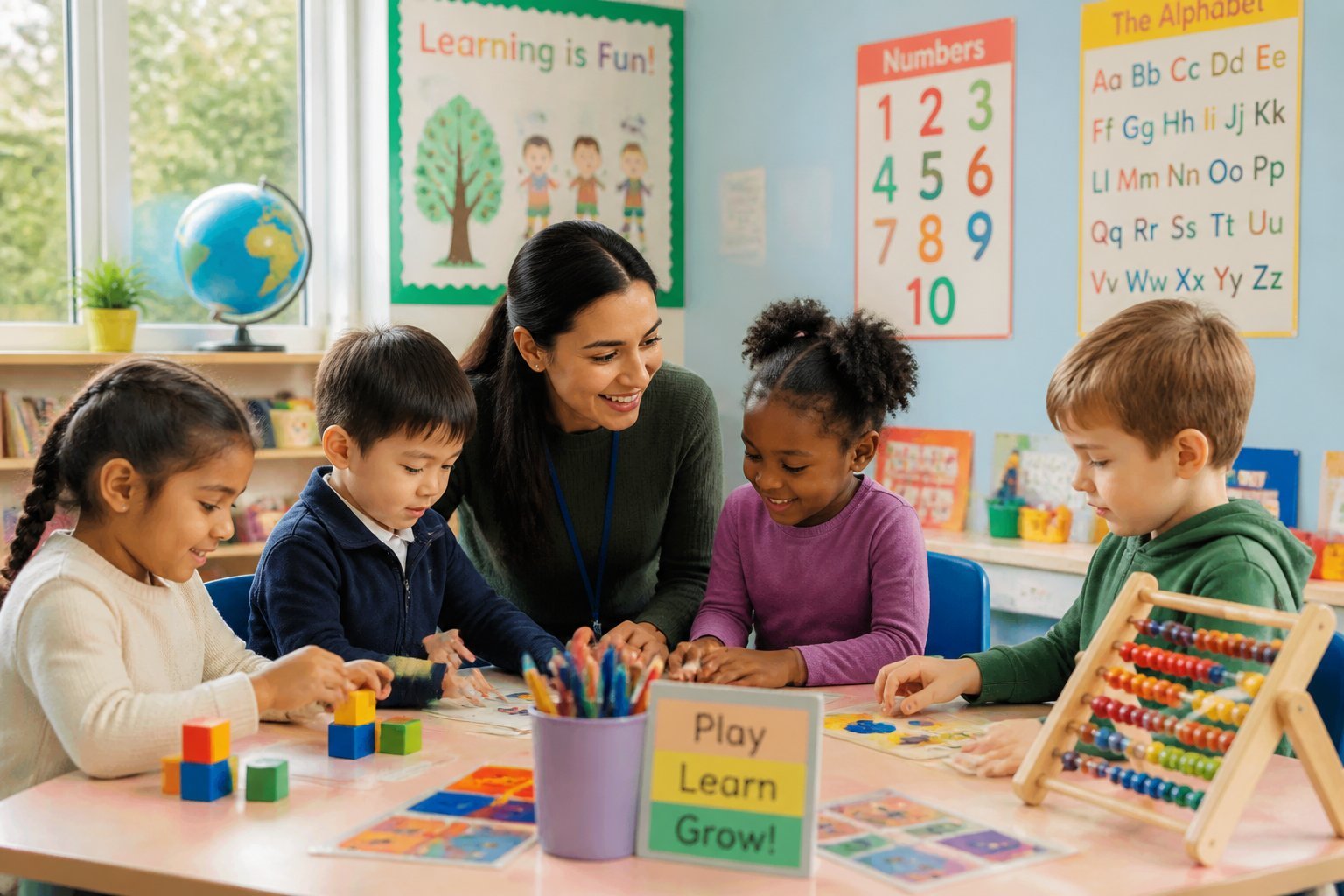
Kids heading into Primary 1 need a whole set of skills—not just the academic stuff. In Singapore, primary school readiness means being able to read and count, sure, but also having some cognitive basics, social-emotional strengths, and being able to look after themselves physically.
Holistic Development and School Routines
Kids do best when they’ve got the hang of basic routines before the first day. It’s worth showing them how to pack their own bag, keep track of their stuff, and handle simple self-care on their own—even if it takes a few extra minutes at first.
Getting into a steady daily rhythm—waking up at a set time, eating at regular hours, sticking to a bedtime—gives kids a taste of what school days will feel like. The more predictable things are, the less nervous they’ll be about what’s coming.
Physical independence really does matter. Kids need to be able to go to the bathroom by themselves, open their lunch, and deal with their shoes. Even little things like ordering food at a hawker stall can help them feel more confident and capable.
Building Literacy and Cognitive Skills
Early literacy is the foundation for everything else at school. Kids should know their letters, have a sense of phonics, and—ideally—enjoy stories, even if they’re just looking at the pictures for now.
Cognitive skills go beyond reading. Following a few steps in a row, finishing what they start, and not giving up when something’s tricky are all important. Memory and attention span come into play here, too.
Math basics aren’t just about worksheets. Counting blocks, spotting patterns, or figuring out which pile has more helps set the stage for actual math lessons later on.
Developing Social-Emotional Strengths
Social-emotional and practical skills are what help kids deal with new people and responsibilities. They’ve got to learn to share, take turns, and work with others—sometimes that’s easier said than done.
Managing emotions is a big deal in a classroom. Kids need ways to handle frustration, say how they feel (without melting down), and know when to ask for help. Being able to separate from parents without a huge fuss makes those first few weeks a lot smoother.
Communication matters, too. Kids should be able to say what they need, listen when someone else is talking, and follow instructions. If they can start a conversation or answer a question, they’re much more likely to get involved in classroom activities.
Proven Strategies to Support a Smooth Transition
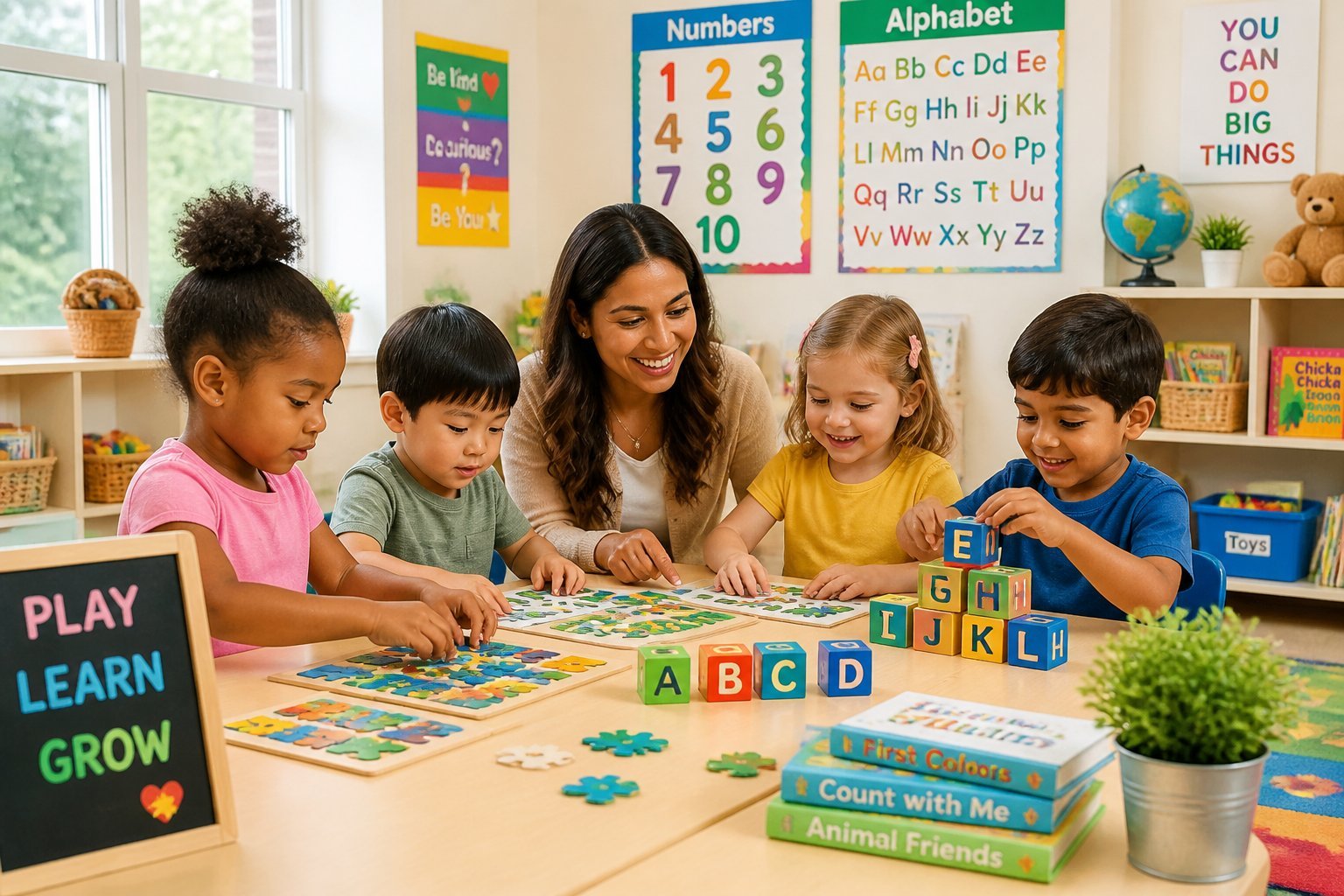
The best strategies for getting kids ready are often pretty hands-on. Role-play, letting them do things for themselves, and talking openly about worries can go a long way before the school year even starts.
Play-Based Learning and Role-Play School Scenarios
Play-based learning is underrated. Kids pick up so much just by playing—following rules, taking turns, finishing things on their own. It’s not just fun; it’s practice for real school.
Role-playing school situations can help, too. Try acting out things like:
- Buying something at the canteen
- Asking a primary school home tutor for help
- Introducing themselves to a new friend
- Finding their classroom or the bathroom
Practicing these at home makes the unknown less scary. Kids who’ve tried these scenarios already seem to walk into school with a bit more confidence.
Having a quiet spot at home for activities—drawing, writing, or just focusing—gets them used to the idea of sitting down to learn. It doesn’t have to be fancy, just free from too many distractions.
Fostering Sharing and Independence
Helping kids become more independent in daily routines pays off. Teach them to pack their bag the night before, put on their uniform, and keep track of their things. It takes patience, but it’s worth it.
Sharing and waiting for turns are core social skills for getting along with classmates. Playtime with siblings or friends is a great chance to practice these, even if it sometimes ends in an argument or two.
Some ways to encourage independence:
- Let them choose what activity to do next
- Give them small chores they can handle
- Hold back from jumping in right away when they’re stuck
- Celebrate the little wins—tying shoes, making their bed, whatever it is
Kiddos who pick up these habits early on usually handle the classroom routine and group work better.
Managing Separation and P1 Transition Challenges
Separation anxiety? Totally normal when kids leave a familiar preschool for a new primary school. It helps to have honest chats about how they’re feeling and let them know it’s okay to be nervous.
Listening—really listening—makes a difference. Make eye contact, let them talk about their worries, and don’t brush off their concerns, even if they sound small to you.
Remind them that you’ll tackle new challenges together. Talk about specific things they’re worried about—making friends, finding their way around, or dealing with a long school day. Sometimes just knowing you get it is enough.
Starting early bedtime routines a few weeks before school kicks off helps kids get the rest they need. It’s not always easy, but easing into it beats a sudden change the night before the first day.
Primary 1 Preparation for Families
Primary 1 preparation is really about families and schools teaming up to help kids settle in. It helps if parents can keep in touch with teachers—not just about grades, but to get a sense of how their child’s doing, what excites them, or what’s been tricky lately.
When schools and homes are on the same page, kids know what to expect, and that consistency can be comforting. Teachers might notice things in class that parents don’t see at home, and vice versa—sharing those little details makes a difference.
Honestly, there’s no need to pile on extra assessment books or tuition at this stage. Teachers are well-equipped to meet kids where they are, and in Primary 1 and 2, there aren’t even weighted assessments to stress over.
It’s usually better for families to put their energy into things like:
| Priority Area | Practical Actions |
|---|---|
| Social-emotional skills | Talk about feelings, help kids name them, and discuss what happens after certain actions |
| Screen time boundaries | Try to keep devices to under an hour a day and keep an eye on what they’re watching |
| Physical activity | Get outside, play, move—anything to break up the screen time |
| Learning attitude | Let kids ask questions, mess up sometimes, and celebrate the little wins |
Kids usually thrive when parents foster a love of learning by following their curiosity, not drilling worksheets. Trips to the library, wandering outdoors, or getting lost in a good story can spark that natural drive to discover. Isn’t that what we want for them, anyway?