
A dog can become a beloved family companion, but honestly, there’s a lot more to it than just picking the cutest face or the most popular breed. Families need to think about their day-to-day routines, living situation, budget, experience, and whether they can provide enough exercise, training, grooming, attention, and vet care—yeah, it’s a lot.
Only bring a dog home if you’re ready for the real, long-term commitment of caring for another living being—consistently, not just when it’s convenient. This guide is here to help you figure out if a dog actually fits your family’s lifestyle, what traits to look for, and how to choose a dog from a source you can feel good about.
Decide Whether a Dog Fits Your Family Life
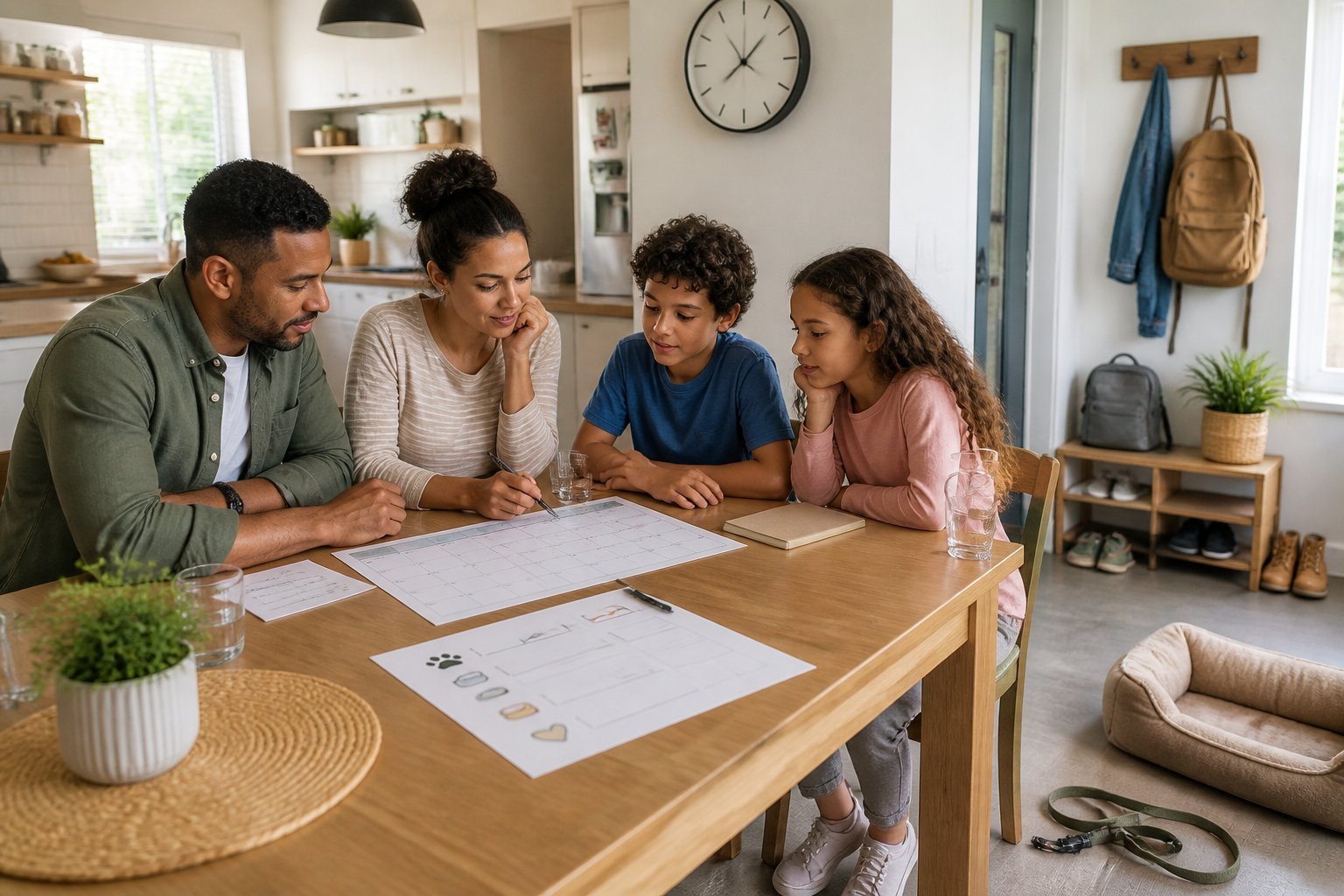
Adding a dog shifts your family’s schedule, budget, living space, and even your plans for the future. Parents should really take a close look at these factors and then try to match a dog’s temperament, size, energy, and care needs with what actually happens in their household most days.
Assess Time, Budget, and Long-Term Responsibility
A dog needs daily care for years—feeding, bathroom breaks, exercise, attention, grooming, training, and someone to keep an eye out for trouble. It’s worth getting honest about who’s actually going to do what on school days, weekends, holidays, and those weeks when everything gets turned upside down. Kids can help, sure, but an adult has to be the one making sure the dog’s safe and cared for.
It’s easy to underestimate the costs—adoption or purchase fees, food, supplies, grooming, training, regular vet visits, shots, flea and tick prevention, and those emergencies that seem to pop up out of nowhere. Pet insurance or an emergency fund can be a lifesaver. Even healthy dogs get older and need more vet care eventually, so it’s smart to plan for that. Spaying or neutering is another up-front expense, but it’s important for responsible ownership and helps prevent unwanted puppies.
Match a Dog to Your Home, Routine, and Activity Level
The best family dog is one that fits your space and routine—not just the one you think looks adorable. Living in an apartment? Maybe a calm adult dog who’s happy with regular walks is a better fit than a high-energy working breed that’ll bounce off the walls without tons of exercise and stimulation. A fenced yard is helpful, but it doesn’t replace daily walks or quality time together.
Think about how much energy your family really has. If you’re gone most of the day, a dog that needs hours of activity will probably get bored (and maybe destructive). Consider barking, shedding, size, stairs, landlord rules, nearby parks, and whether you have access to a reliable dog walker or boarding service. It’s always a good idea to meet any dog you’re considering—see how they act, how confident they are, and how they handle new people and situations.
Consider Children, Allergies, and Other Pets
Don’t assume a breed guarantees a certain personality. It’s better to look for a dog with a stable, manageable temperament. Young kids always need close supervision around dogs, even the family pet. Adults should show kids how to treat dogs kindly—no pulling ears or tails, no bothering them while they eat or sleep, and definitely no climbing on them or grabbing toys away.
Allergies are a real thing—no dog is completely hypoallergenic, and reactions can come from dander, saliva, or even what they track in. If you’re not sure, talk to a healthcare professional before taking the plunge.
If you’ve got other pets—cats, fish, hamsters, whatever—ask about the dog’s past with other animals and their prey drive. Introduce them slowly, with barriers and separate spaces, and don’t rush it. Supervision is key until everyone’s calm and reliable together.
Plan for Daily Care, Training, and Veterinary Needs
It helps to have a daily routine ready: meals, water, bathroom breaks, exercise, downtime, play, grooming, and something to keep their brains busy. Dogs need safe chew toys, ID tags, a microchip, and a cozy spot to sleep. Don’t forget to plan for travel, illness, school breaks, or those extra-long workdays, too.
Start training early—reward-based methods work best. Basics like coming when called, walking nicely, settling down, and being okay with handling are musts. Training helps keep everyone safe and keeps boundaries clear for kids, but really, children shouldn’t be left in charge of walking or training the dog without an adult.
Take your new dog to the vet soon after adoption and set up a plan for vaccinations, parasite prevention, dental care, nutrition, and regular checkups. Get to know what’s normal for your dog, so you’ll notice if something’s off—like a drop in appetite, movement, breathing, or energy. When in doubt, just call your vet.
Choose the Right Dog and Bring Them Home Responsibly
Matching a dog’s age, energy, size, and temperament to your family’s routine is huge. Be picky about where you get your dog, and get ready for potty training, teething, supervision, and safe introductions with everyone at home.
Puppy, Adult Dog, or Senior Dog?
Puppies are adorable, but wow, they’re a handful—lots of bathroom breaks, potty training, socialization, vet visits, and constant supervision. Teething means they’ll chew just about anything, so stock up on chew toys and keep shoes and little toys out of reach.
An adult dog might be a better fit if you want a more predictable size, energy level, and personality. Many adults already know the basics of family life, though they’ll still need training and time to settle in.
Senior dogs and other older pets can be great for families looking for a calmer companion who doesn’t need as much intense exercise. They may need more vet care, medication, dental work, or help getting around. Always ask shelters or previous owners about the dog’s behavior around kids, visitors, cats, and other dogs.
Use Breed Traits as a Starting Point, Not a Guarantee
Breed can give you some hints about exercise, grooming, training, and temperament needs, but it’s never a guarantee of how any one dog will act. A golden retriever or labrador retriever may be gentle, but they also need plenty of exercise and training. German shepherds, Australian shepherds, boxers, rottweilers, Doberman pinschers, and Cane Corsos usually need experienced owners, lots of activity, and consistent training.
Size and grooming are worth considering, too. Poodles need regular professional grooming; beagles are nose-driven and can be pretty vocal; greyhounds tend to enjoy short sprints and then lots of lounging. Bulldogs, English bulldogs, French bulldogs, Boston terriers, and Cavalier King Charles spaniels can have health issues that are worth discussing with your vet.
Don’t overlook a good mutt or mixed-breed dog—they can be just as wonderful as any purebred. Meet the actual dog, ask about their background, and pay attention to their behavior instead of just picking based on looks.
Adopt From Animal Shelters or Work With a Responsible Breeder
An animal shelter or rescue is a great place to find puppies, adults, senior dogs, mutts, and purebreds who need homes. Staff can usually share what they know about each dog’s behavior, medical needs, energy level, and how they do with kids or other animals. If you can, try a foster-to-adopt setup to see how the dog does in your actual home environment.
If you’re set on a puppy, go with a reputable, responsible breeder who’s focused on health and temperament. You should be able to meet the mom, see where the puppies live, look over vet records, learn about genetic testing, and hear about early socialization. A good breeder will ask you plenty of questions, too, and provide a contract with support for returns or rehoming if needed.
Steer clear of sellers who won’t let you visit, offer a bunch of breeds at once, can’t show vet records, or push you to pay fast. Pet stores and random online ads often hide poor breeding and lack proper care—definitely not worth the risk.
Prepare for Potty Training, Teething, and a Safe Introduction
Before your new dog shows up, it’s smart to clear out toxic foods, meds, random cords, tiny stuff, and any trash bins that aren’t secure. Setting up a crate or a gated spot gives the dog a place to chill out, and baby gates can help keep them away from stairs, bedrooms, or little kids for now.
When it comes to potty training, adults should take puppies outdoors after they wake up, eat, drink, play, or nap. Give them a treat or some praise right after they go outside—skip the punishment and just use an enzymatic cleaner if there’s an accident. Honestly, even grown dogs might need a bit of an adjustment period and some extra bathroom breaks at first.
For teething, try to steer chewing toward proper toys, and keep an eye on things when kids are around. Make sure each child gets the memo: don’t bug the dog while it’s eating, sleeping, hiding, or busy with a toy. And when you’re introducing the dog to kids or other pets, go slow—use a leash, keep an adult nearby, and don’t rush it. It’s better for everyone that way.